



Sulfuric Acid
Your Professional Sulfuric Acid Supplier
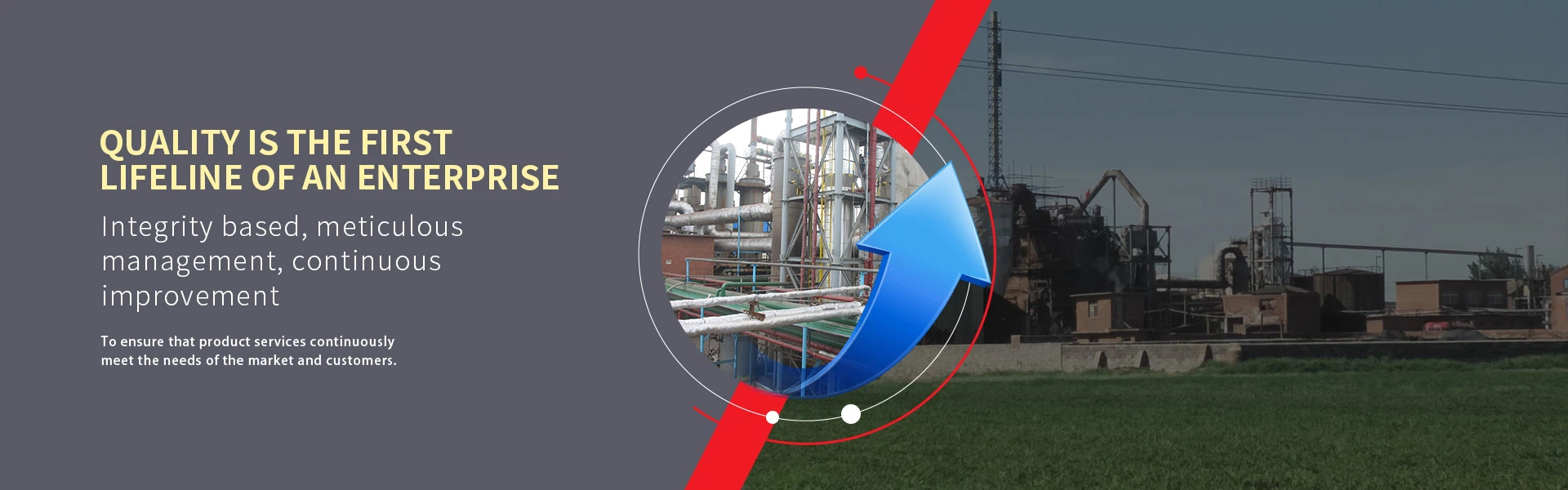
Our goal is to become your true partner in the field of sulfuric acid China. The company has a number of high-quality R & D technology team and advanced production equipment, the level of production technology continues to improve, the company in line with the development of innovation, to win the market with product quality, to win the trust of customers with a good reputation, the production of a series of products has always been in the forefront of the industry.
Why Choose Us
Our certification
Our product output is always at the forefront of the industry and has passed the IS09001:2015 quality management system certification.
Our capacity
Our current annual production capacity: 50,000 tons of ordinary sulfuric acid, 10,000 tons of refined sulfuric acid, 10,000 tons of AR-grade reagent sulfuric acid, 20,000 tons of 50% reagent sulfuric acid, 10,000 tons of food additive sulfuric acid, 30,000 tons of refined aluminum sulfate, 20,000 tons of iron-free aluminum sulfate, 10,000 tons of low-iron aluminum sulfate, and 20,000 tons of liquid aluminum sulfate.
Product market
Our company's products are sold well in Beijing, Tianjin, the three northeastern provinces, Henan, Shanxi, Shaanxi, Ningxia, Zhejiang, Fujian, Guangdong and other provinces and cities, and are exported to Southeast Asia, the Middle East, North America, Africa and other overseas regions.


Advantages of Sulfuric Acid
Sulphuric acid is highly acidic. Therefore, it is used in the cleaning of metals, removal of impurities from oil, manufacturing of chemicals – nitric acid, hydrochloric acid, synthesis of dye, drugs, detergents, explosives, etc.
Chemical manufacturing: Sulfuric acid can be used as a component when creating other useful acids such as hydrochloric acid and nitric acid. It can also be used to create synthetic detergents, pigments and dyes, and sulfate salts.
Metal processing: It is also widely used in processing metals. Metal processing is where metal is heated, cooled, and shaped to form any particular product made out of steel, iron, or copper (i.e. transportation, computer parts, construction, piping, housing materials, etc.). Sulfuric acid is used in a mixture for what is known as “steel pickling”, which is a surface treatment process that is used to remove any rust or carbon impurities to finish the metal and is one of the final and most important stages of metal processing.
Batteries: Sulfuric acid is used in combination with lead to produce a reaction that generates enough electrons for large batteries (like the ones used in automobiles and tractors) to produce the necessary voltage. This is sometimes commonly referred to as “battery acid”, and sulfuric acid is an essential component of the solution that produces the battery energy.
Domestic and industrial cleaning products: It is also a commonly found ingredient in many cleaning products due to its corrosive nature. Its strength and acidity make it a powerful cleaning agent, and it is often found in domestic and industrial versions of products like drain unblockers, cleaners, detergents, and chemical sprays.
Agriculture and fertilizer: Sulfuric acid’s largest use is in the majority of the world's agriculture. In the fertilizer industry, sulfuric acid is used to create inorganic phosphate fertilizers such as ammonium sulfate and superphosphate of lime. These are both widely used fertilizers in the majority of commercial agriculture.
Sulfuric Acid Properties
Sulfuric acid (H₂SO₄) is a colorless, mineral liquid that contains hydrogen, sulfur, and oxygen. In its purest form, sulfuric acid is a highly corrosive liquid with a pH of 0.5 and is miscible with water at all concentrations. Sulfuric acid has a molar mass of 98.079 g/mol, a molecular density of 1.84 kg/L (compared to water at 1 kg/L) and a boiling point of 337 degrees Celsius.
Sulfuric acid is also a very dehydrating oxidant. This means that in addition to being highly acidic, it will also strip water away from any substances or surfaces it comes into contact with. Sulfuric acid is also hygroscopic, which means that it will even absorb water from the air.
Concentrated non-condensable gases (CNCG) are collected and lead to a collection tank, from which they are taken to a separate incinerator. In the separate incinerator, total reduced sulfur compounds in the CNCG are oxidized into SO2. The flue gas from the boiler is led to a catalytic reaction vessel. The catalyst oxidizes SO2 by using excess oxygen supplied through combustion air into SO3. Flue gases from the catalytic converter are passed into a condensing tower. The temperature of the flue gases is reduced with the cooling liquid and the SO3 in the flue gases reacts with H2O to produce sulfuric acid.
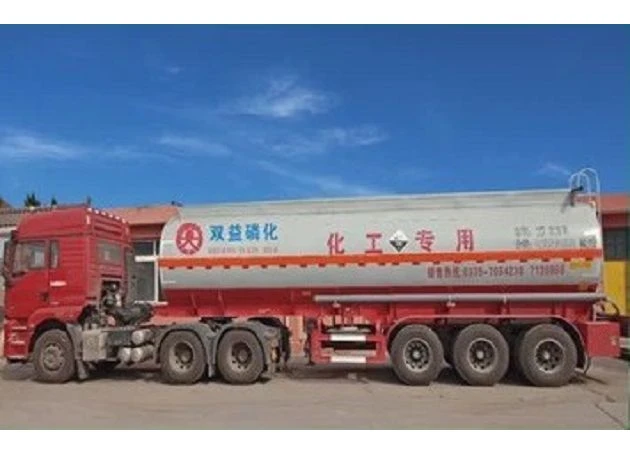

Personal Protective Equipment (PPE) is required to reduce and hopefully eliminate potential health risks. Recommended loading practices of sulfuric acid include wearing chemical-resistant clothing, gloves, splash goggles, and a respirator to protect the lungs. Unlike hydrochloric acid, sulfuric acid can be splash loaded at a concentration of 93% and above.
Packaged Sulfuric Acid
Sulphuric acid should be packed in UN approved packages – certified steel drums lined with HDPE.
FAQ
As one of the leading sulfuric acid manufacturers and suppliers in China, we warmly welcome you to buy high quality sulfuric acid at low price from our factory. Contact us for quotation and free sample.
Sulfuric acid for Industrial use for Sewage treatment, Sulfuric acid for Industrial use for Chemical fiber, Food additive sulfuric acid for Gelatin